


Jordan Men Edition Fast Delivery
Air Jordan Resale World: Smart Tips for Purchasing and Selling
Having grown from a small pastime into a multi-billion-dollar industry, the Air Jordan resale market now runs with the sophistication of a stock exchange. Shoes that are priced at $170 can command $500, $1,000, or even $10,000 depending on model, edition, and availability. For buyers, this market gives access to sold-out releases and legendary kicks that would otherwise remain unobtainable. For sellers, it provides a genuine revenue source that numerous resellers have turned into full businesses. But moving through this ecosystem without knowledge is a quick path to spending too much or being defrauded. Whether you are looking to land a pair at a discount or sell your most recent SNKRS win for cash, knowing the workings of the Air Jordan resale landscape in 2026 is indispensable.
Understanding the Resale Ecosystem
The modern sneaker resale market functions through a few primary platforms, each with unique commission structures and customer bases. StockX introduced the “sneaker stock exchange” model, levying sellers a fee between 8 and 10 percent based on seller level. GOAT provides a parallel marketplace but brings the capability to sell used sneakers together with unworn pairs, increasing the total market. eBay came back into the legit-checked sneaker space with its Authenticity Guarantee feature and as of now collects zero seller fees on sneakers over $150, rendering it the most economical platform for sellers in 2026. Physical consignment shops like Flight Club command a steeper 15 to 20 percent cut but deliver in-person authentication and same-day cash. Social media channels still facilitate considerable peer-to-peer sales, though without built-in authentication the danger is markedly higher. Grasping each platform’s fee structure enables jordan shoes you to decide wisely based on whether you favor maximum earnings, speed, or buyer/seller protection.
The Dynamics Behind Resale Pricing
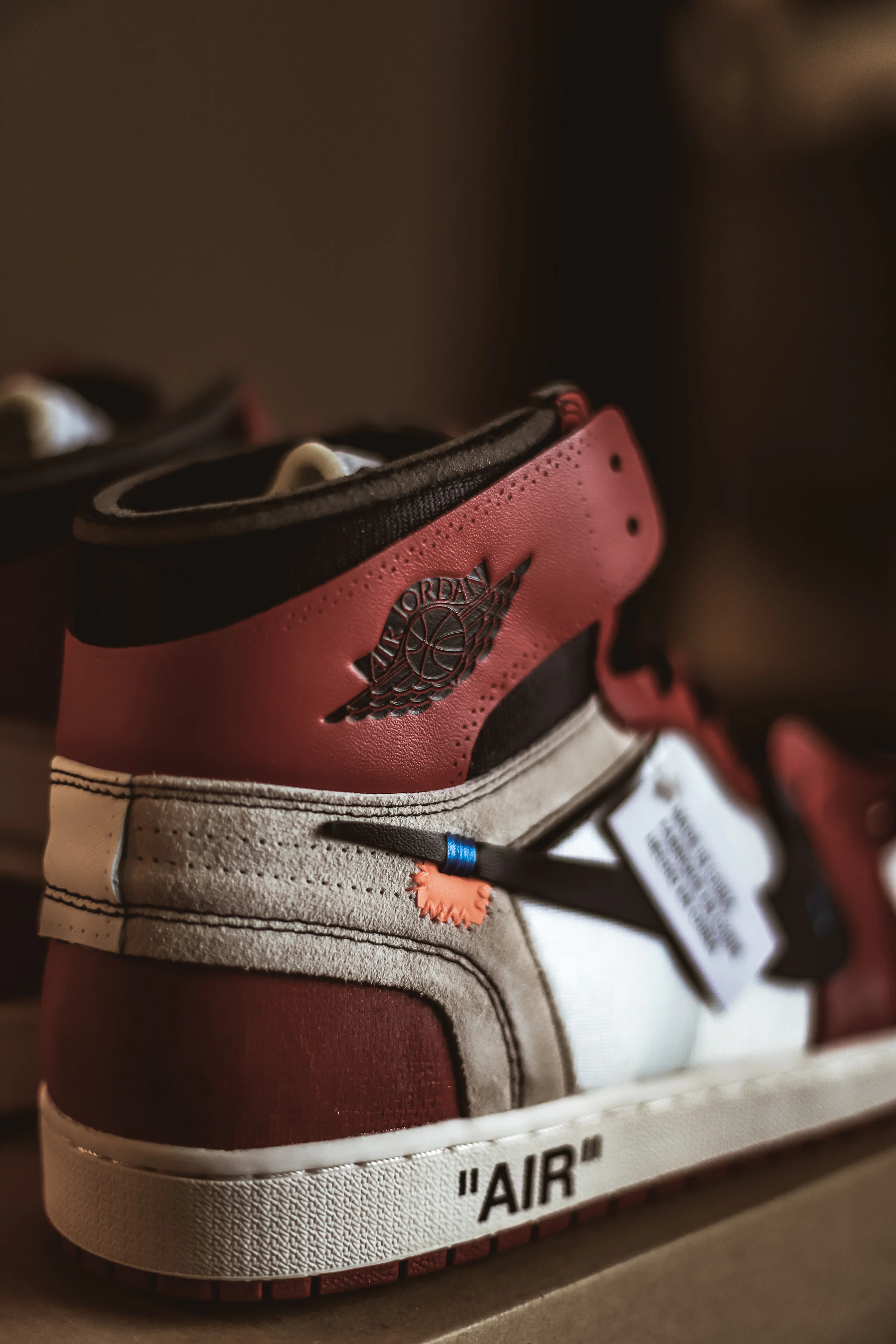
Aftermarket pricing adheres to trends dictated by clear supply-and-demand dynamics. The chief factor is supply limitation — limited editions under 50,000 pairs virtually always fetch notable premiums, while widely available drops above 200,000 pairs often move at or below retail after initial hype subsides. Partnership branding significantly amplifies value: a Travis Scott or Off-White joint release can add 300 to 800 percent to secondary market price compared to a regular colorway of the same silhouette. OG colors that Michael Jordan actually wore during games perpetually sell for more than recent reimaginations of the same shoe. Condition is another significant variable, with brand-new pairs commanding a 30 to 50 percent markup over slightly worn pairs. The most typical men’s sizes (9 through 11) tend to have greater availability on marketplaces, while extreme sizes often attract higher prices due to rarity. Market prices generally hit their highest during November and December holiday buying and fall during slower summer months.
| Marketplace | Commission | Legit Check | Payment Speed | Pre-Owned Sales | Ideal For |
|---|---|---|---|---|---|
| StockX | 8–10% | In-house physical | 3–7 business days | No | Market data access |
| GOAT | 9.5% + shipping | Physical in-house | 3–5 business days | Yes | Selling used pairs |
| eBay | 0% (over $150) | Third-party verification | 1–3 business days | Yes | Best seller margins |
| Flight Club | 15–20% | In-person experts | Immediate (cash) | Yes | Instant cash transactions |
| Instagram / Facebook | 0% | No verification | Instant | Yes | Fee-free direct sales |
Savvy Purchasing Strategies
Timing your purchase is the number-one strategy for securing Air Jordans below top aftermarket prices. Nearly all hyped releases follow a reliable price arc: prices spike right after launch day as resellers capitalize on immediacy, then gradually decrease over two to six weeks as initial demand is fulfilled and more supply hits the market. Waiting 30 to 45 days after release can net you savings of 15 to 30 percent compared to first-day prices, according to past data on StockX. Setting bid alerts on marketplaces like StockX and GOAT enables you to choose your price and be patient until a seller to agree, rather than meeting the asking price which always represents the most optimistic seller pricing. Checking prices across different marketplaces before committing is vital because the same shoe in the same size can differ by $20 to $80 between StockX, GOAT, and eBay at any given moment. For older retro drops not in the midst of a present hype wave, values frequently bottom out during June through August when sneaker market volume usually softens. Finally, shopping in less common sizes can sometimes work in your favor because these sizes have fewer active bidders fighting over the same limited inventory.
Selling for Maximum Profit
Profitable selling starts well before you publish a pair — it is built on acquiring the proper pairs through retail channels at the cheapest price. Joining every available lottery for in-demand drops through Nike SNKRS, Foot Locker, JD Sports, and boutique shops maximizes your chances of landing pairs at MSRP, which is the bedrock of resale profit. Getting to market quickly plays a huge role: uploading your pair within the first 24 to 48 hours after drop, when FOMO is strongest and stock on platforms is still restricted, consistently delivers the top final price for that release cycle. Shoot your merchandise extensively and keep the original box in flawless condition, because consumers on authenticated platforms spend demonstrably more for pairs that come in pristine boxes with all included extras enclosed. Monitor recent sold listings — not just what’s listed — to set competitive list prices, since overpriced listings languish while the market moves without you. Consider your platform choice thoughtfully: eBay’s no-fee policy on sneakers above $150 means you take home approximately 10 percent more than on StockX, amounting to $30 to $50 extra profit per pair.
Verifying Legitimacy and Steering Clear of Replicas
Counterfeit Air Jordans have grown alarmingly advanced in 2026, with some counterfeits nearly indistinguishable from authentic pairs without specialized equipment. The safest method for purchasers is acquiring solely through platforms with in-person legit checking — StockX, GOAT, and eBay’s Authenticity Guarantee each utilize professional legit checkers who manually examine every pair before it is delivered to the consumer. For person-to-person deals through Instagram or face-to-face transactions, invest in a UV blacklight that reveals hidden quality-control markings fakers infrequently copy, and a jeweler’s loupe for examining stitch work and fabric textures at magnification. Telltale signs include prices that seem too good to be true, sellers unwilling to send additional images, and generic “authenticity guaranteed” language without detailing a verification process. Companies like CheckCheck and Legit Check provide app-based authentication where you send photos and obtain a professional assessment for $3 to $10 per check. For resellers, confirming that your pairs are legit shields your reputation and avoids damaging refund claims — platforms will sanction or ban sellers who send fake goods, even unknowingly.
Market Outlook for 2026 and Beyond
The Air Jordan resale market in 2026 occupies an notable crossroads influenced by opposing trends. Jordan Brand has expanded manufacturing on many retro releases, reducing price increases on general releases and bringing average markups down from pandemic peaks. But, authentically restricted partnerships and OG releases still attract robust price increases, suggesting the market is dividing between affordable products and ultra-exclusive merchandise. According to analysis from Cowen & Company, the worldwide sneaker resale market is projected to reach $30 billion by 2030, with Air Jordans persisting as the most frequently traded name. For individual market participants, this development means more market activity, enhanced market transparency, and more competition — factors that advantage research and discipline over snap decisions. Whether you approach the market as a buyer chasing coveted pairs or a seller building a side business, the core principles stay the same: invest in what you comprehend, time your sales wisely, legit check all inventory, and treat the resale market with the discipline of any serious financial endeavor.